
Should you invest in a wet-dry vacuum? Everything to know before making a purchase
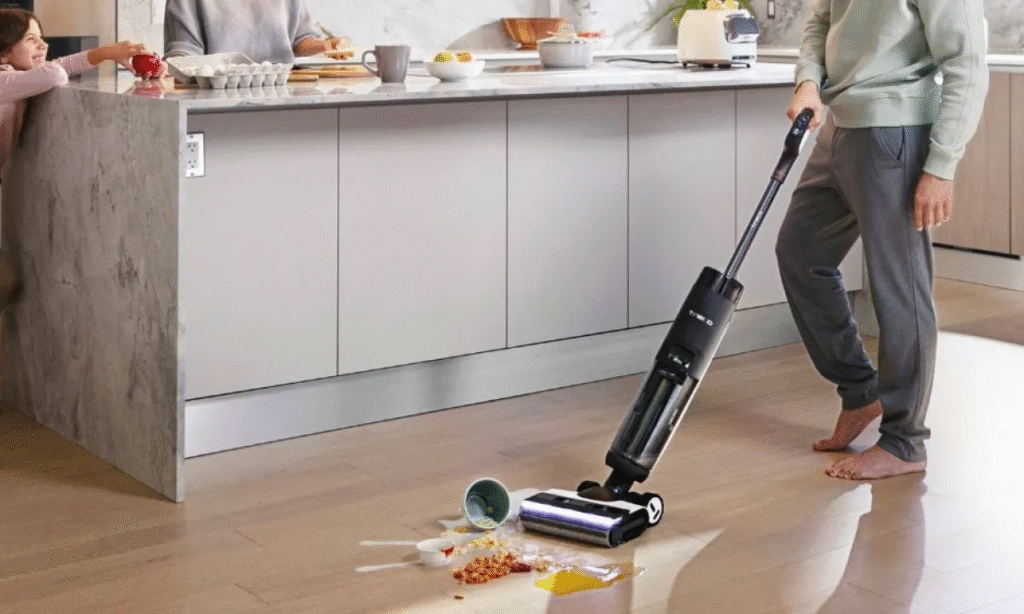
If your home has tile, hardwood, or LVP floors, you’ve likely thought about buying a wet-dry vacuum. These handy gadgets are designed to make floor cleaning a breeze—saving you time and keeping your hands dry. With one of these, you can say goodbye to messy mops and soaking-wet floors. Plus, many models clean themselves, so you don’t have to stress about maintenance or funky smells.
But are wet-dry vacuums really worth the high cost? Even cheaper options run hundreds of dollars, while top-tier models can go well over 500.Comparethattoahigh−qualitymopandcleaningsupplies,whichyoucangetforunder500.Comparethattoahigh−qualitymopandcleaningsupplies,whichyoucangetforunder50.
There’s no simple answer, though. You’ll need to think about your budget, how much of your home has hard floors, and your personal preferences. Here’s a deeper dive to help you decide if a wet-dry vacuum is a smart buy.
Wet-dry vacuums are pricey
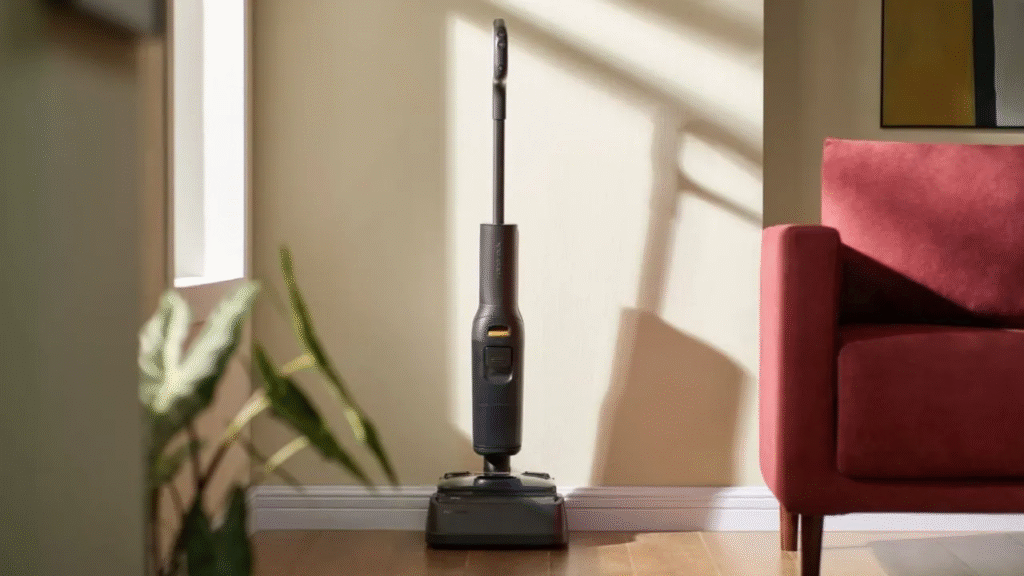
If money’s tight, you might want to stick with a regular mop. No question, wet-dry vacuums are tempting, but their prices can be shocking. For instance, models from Tineco and Roborock can hit 500ormore,withsomeevenreaching500ormore,withsomeevenreaching700. When a mop does the job for way less, that’s a tough sell.
If you’ve got some extra cash and want to cut cleaning time, keep reading. Just because you can afford it doesn’t mean a wet-dry vacuum is right for your home. In some cases, a robot vacuum-mop combo or a traditional mop paired with a cordless vacuum might work better.
Wet-dry vacuums clean better
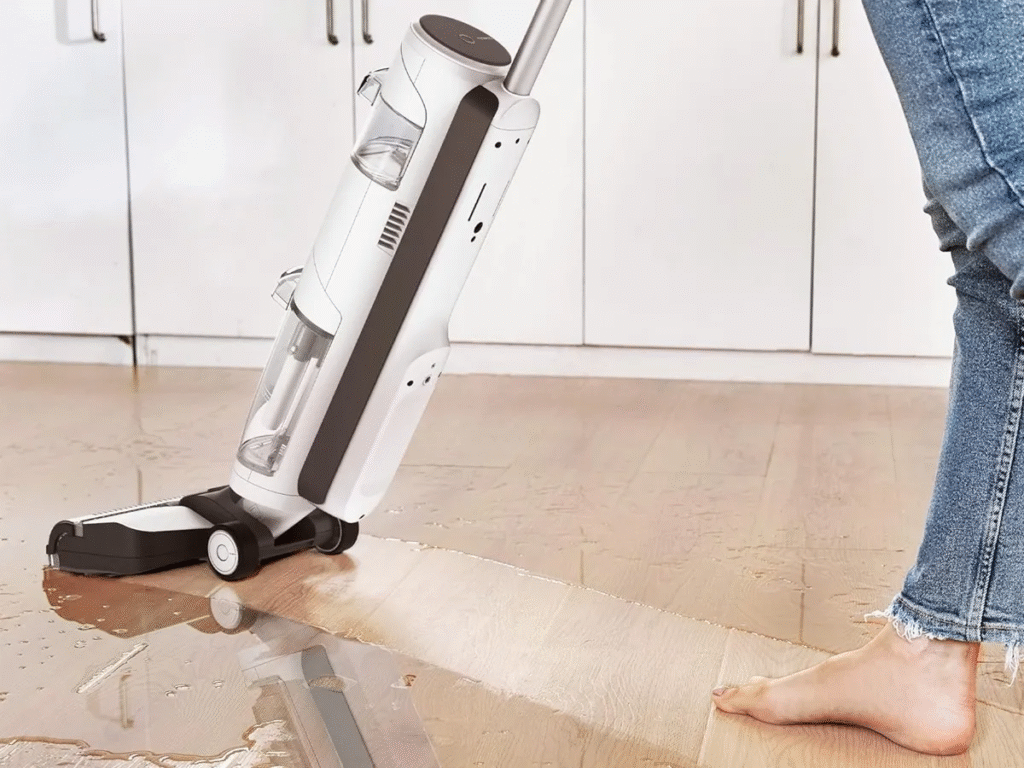
Since they vacuum and mop at the same time, wet-dry vacuums often leave floors cleaner than regular mopping. As they move, they pick up dirt while spreading a thin layer of water (sometimes mixed with detergent). They also scrub away tough stains.
Better yet, high-end models come with smart sensors that detect dirt levels and adjust settings automatically. No more drenched tiles that take forever to dry. A wet-dry vacuum learns how to clean your floors efficiently, saving you tons of time.
Speaking of time savings, these devices combine two chores into one, making them super popular. If you’re sick of spending hours cleaning, they’re a game-changer.
Wet-dry vacuums cut down on maintenance
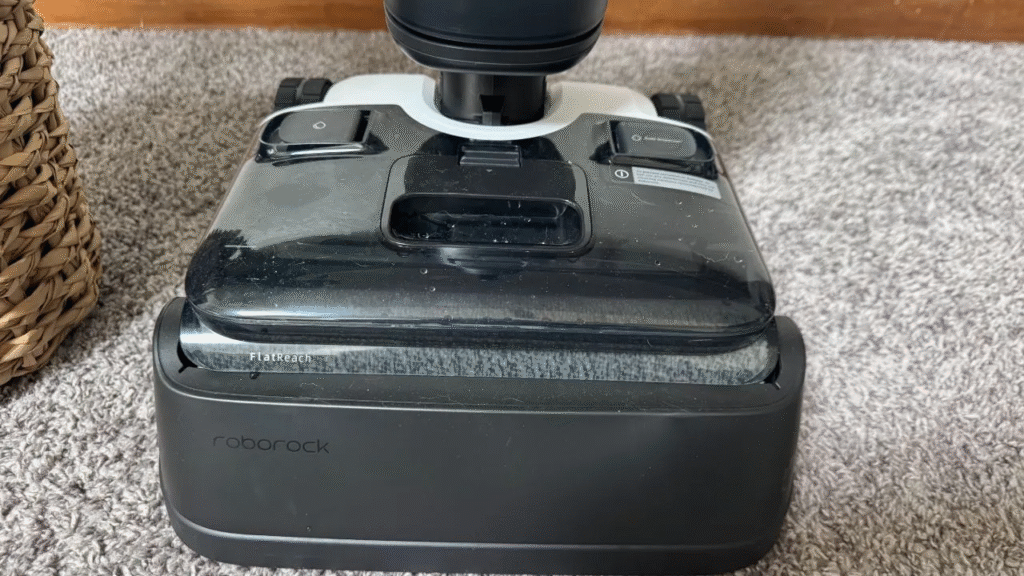
Another time-saver? Wet-dry vacuums are way easier to maintain than traditional mops and vacuums. Most come with self-cleaning docks.
When you’re done cleaning, just pop it back on the dock and hit a button—it’ll clean itself. Take the Roborock F25 ACE: it washes its roller with warm water, dumps debris into a dirty water tank, then blows warm air through its system to prevent odors.
With a regular mop, you’d have to wring it out, empty the dirty water, and wait for everything to dry before putting it away. It’s messy and time-consuming. Wet-dry vacuums keep your hands dry and free up your time.
Think about your home’s layout
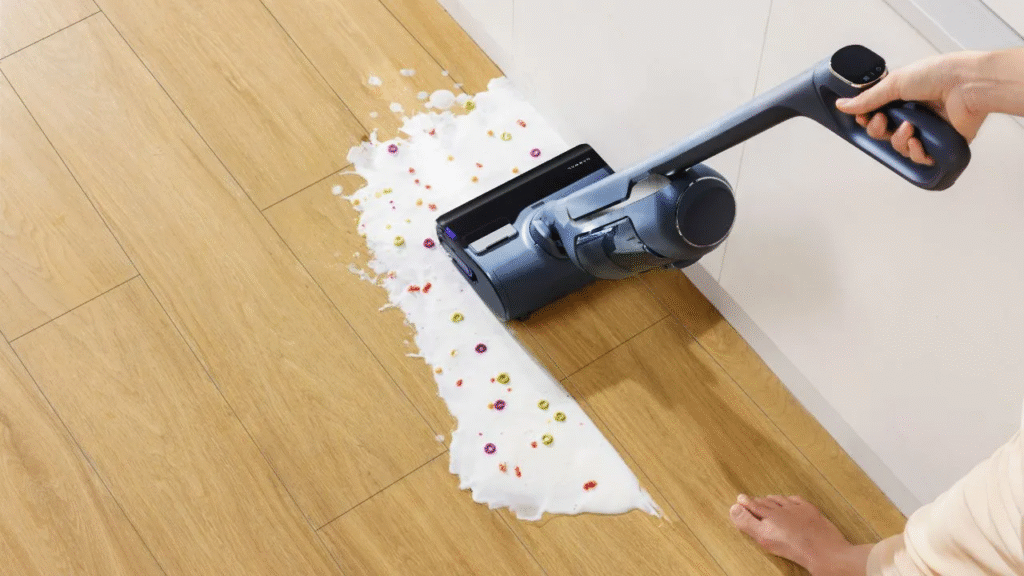
Wet-dry vacuums don’t work on carpet, so if your home has both hard floors and carpet, you’ll still need a regular vacuum. And if most of your space is carpeted, shelling out $500 for a wet-dry vacuum might not make sense—especially if you’ll only use it in the kitchen or bathroom.
Homes with just a few hard floors should look at budget-friendly wet-dry vacuums. Sure, premium models offer more power, but if you only need it for small spills, a basic one will do.
On the other hand, if your home is all tile, wood, or LVP, a high-end model like the F25 ACE is a great choice. It’ll save you tons of cleaning time, and many come with apps to help you manage your investment.
So, are wet-dry vacuums worth it?
It depends. If your home is all hard floors, they’re an easy yes. With strong suction, self-cleaning features, smart sensors, and slim designs that fit under furniture, they’re a powerful (and hassle-free) way to keep things spotless.
But if you’ve got a mix of carpets and hard floors, think about how much time you’d really save. You’ll still need a regular vacuum for carpets, and spending $500 might not be worth it for small areas. Budget-conscious buyers might prefer a high-quality vacuum for the whole house, plus a cheaper wet-dry model.
Another option? A robot vacuum. These automated cleaners handle all floor types with no effort. They’re pricier than wet-dry vacuums, but perfect for anyone who wants to spend less time cleaning.

Related Posts

Smart Living Room: 11 Devices You Need to Optimize Your Living Space

Smart Home: 14 Backyard and Patio Ideas & Tips