Onimusha 2: Samurai’s Destiny remaster proves that they don’t make them like they used to
“They don’t make them like they used to.”
As a movie lover, few phrases make me roll my eyes harder than this one. For years, I’ve heard it used to complain about the state of cinema, and I’ve always thought it was a ridiculous statement. For starters—of course they don’t. Art evolves, and so do the tools we use to create it. What really bothers me is when people use the phrase to bash modern films, implying that the movies we grew up with are inherently superior. It feels like a stubborn, knee-jerk take that just shows how resistant we are to change.
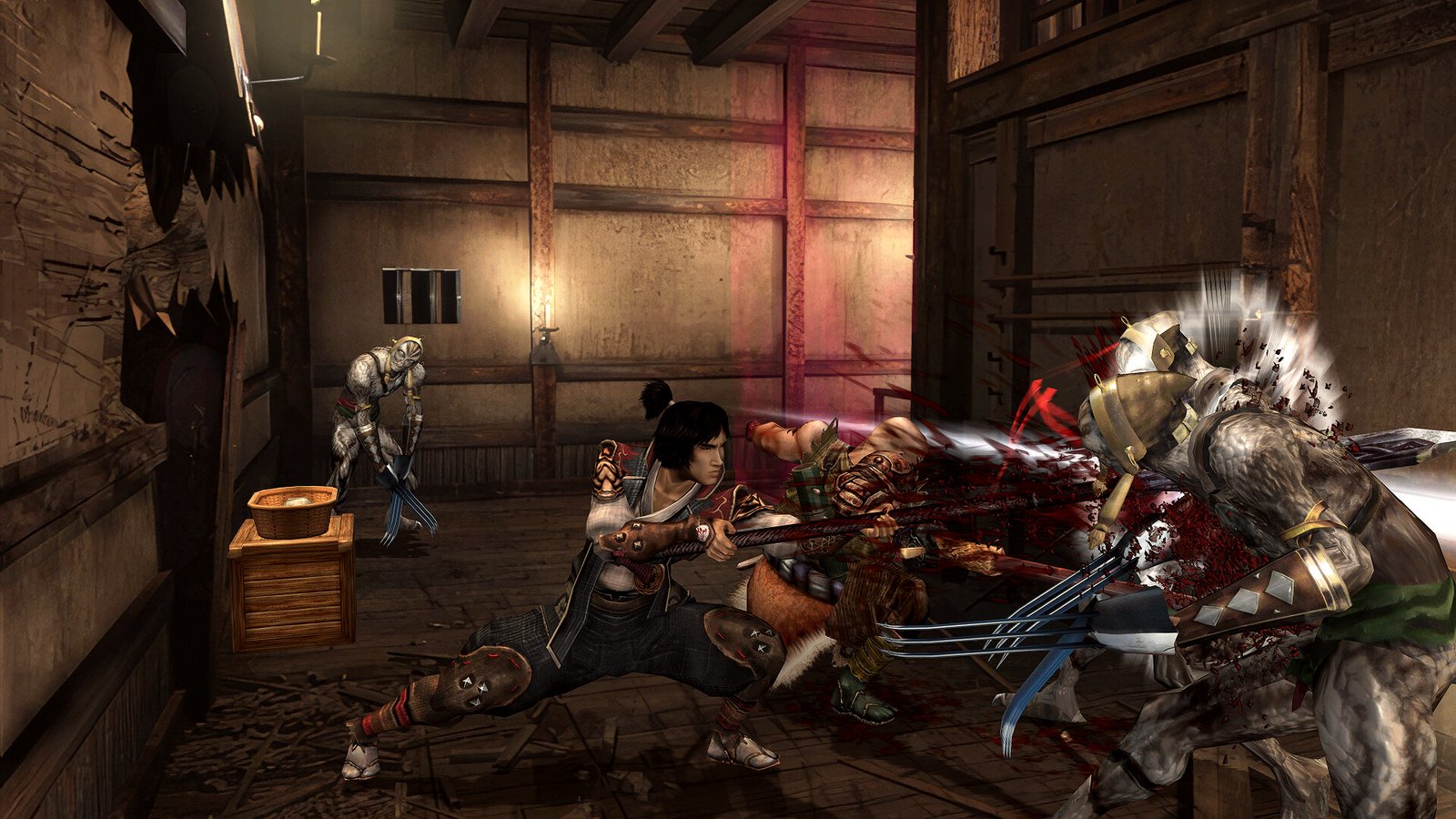
But after playing—of all things—Capcom’s new Onimusha 2: Samurai’s Destiny remaster, I keep coming back to that phrase. Revisiting this PS2 classic in 2025 is like unearthing an ancient relic. It’s a mesmerizing time capsule that feels completely different from anything released this year. Its cinematic ambitions, mixed with the technical limits of its time, create a unique texture that’s hard to replicate. In this case, they really don’t make them like they used to.
Back to 2002
Before diving into the remaster, my connection to Onimusha was always distant. I didn’t own a PlayStation 2 growing up, but I devoured magazines like EGM and knew about every major release. From that outsider’s perspective, Onimusha always seemed larger than life—a prestige title on par with classics like Shadow of the Colossus. Magazine screenshots painted it as a dark, gritty action game, something that probably felt as epic to me then as Elden Ring does now.
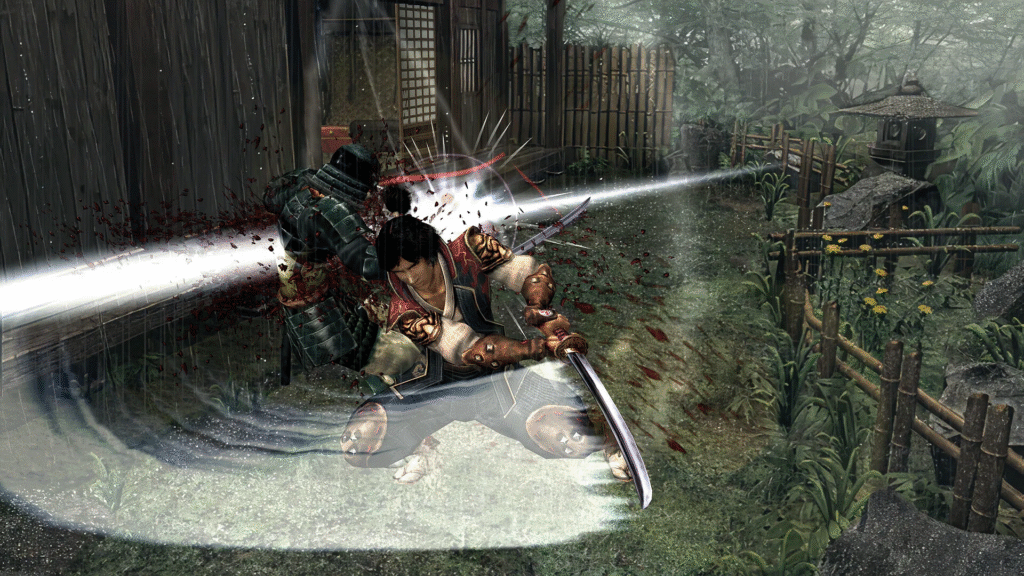
But I was in for a surprise as soon as I booted up Onimusha 2: Samurai’s Destiny. The opening narration hits hard, informing me that Nobunaga Oda is a.) dead and b.) leading an army of demons. The delivery is so deadpan, so dramatic, that I couldn’t help but laugh. It’s gloriously absurd—a B-movie premise treated with the weight of a historical epic.
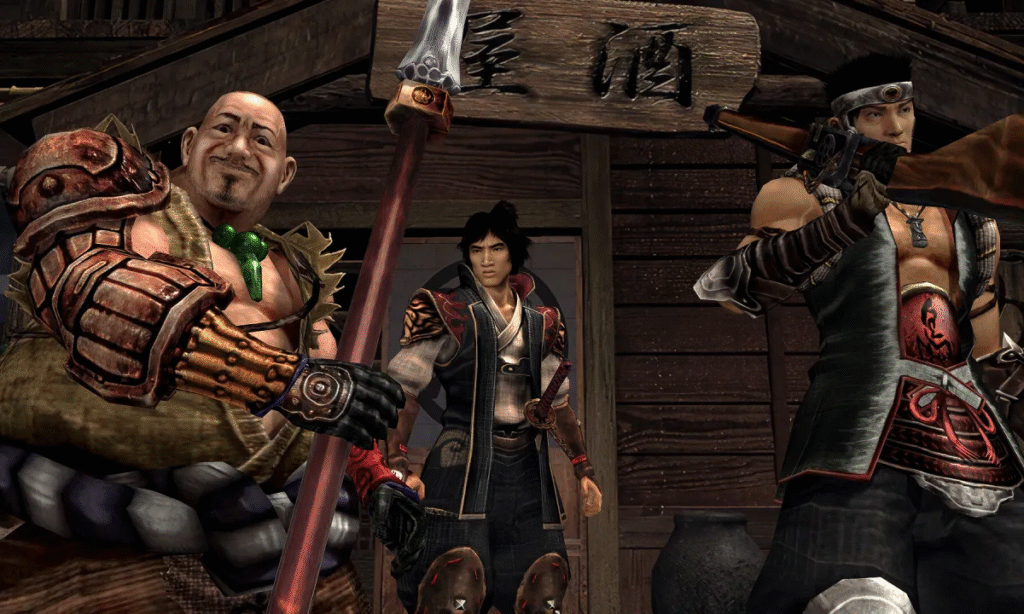
That tone stuck with me throughout the game. Capcom’s ambitions in 2002 were sky-high, aiming for a cinematic experience years before the tech could fully support it. If this were a film, you’d call it “amateur.” The script is packed with cheesy jokes, like characters constantly going “hubba hubba!” over women. Cutscenes use stiff camera angles that never quite feel right. The voice acting has big high-school-theater energy.
And let me be clear: It’s fantastic.
Like many games from that era, Onimusha 2 feels almost alien. It’s just off enough in every way to border on surreal. A demon might appear out of nowhere, deliver an over-the-top speech, then dart in and out of bushes like a Scooby-Doo villain. On paper, it’s pure comedy, yet there’s a deep respect for the lore Capcom built. The tone swings wildly between silly and serious—something most modern games keep separate. This isn’t unique to Onimusha, either; it’s a hallmark of the time. I get the same vibe from early Resident Evil games—full of stiff acting and awkward lines, yet their worlds feel instantly immersive. These games had a knack for creating their own strange language and making players fluent in seconds.
That applies to gameplay, too. Onimusha clearly followed Resident Evil’s lead, using fixed camera angles to build tension, hiding dangers around every corner. Rooms are littered with random puzzle boxes hiding ladders. The world unfolds through plain text descriptions that pop up abruptly. These design quirks give the game a distinct feel—hard to describe but incredibly atmospheric. Even in its goofiest moments, it’s eerie and claustrophobic. You’re not stepping into a world you control; you’re trapped in one with its own rules, and you’d better learn them fast. It’s like wandering into a foggy hedge maze at night.
Games don’t feel like this anymore—at least not the big ones. Developers have mastered the “cinematic” approach, raising the bar for acting, writing, and cinematography. Modern worlds feel more familiar, grounded in a visual language we recognize. Even Dynasty Warriors: Origins, this year’s entry, dials back the series’ trademark weirdness for something more polished. Playing Onimusha 2 is like watching a 1930s Hollywood drama—full of grand gestures and theatrical flair.
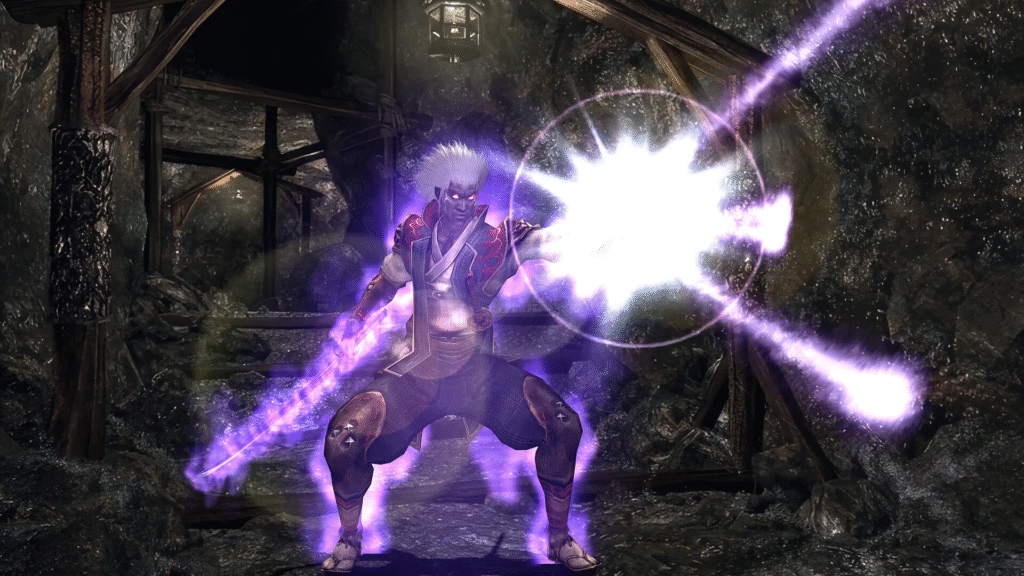
That’s why I’m all for the current remake and remaster trend. Onimusha 2 is special because it’s a product of its time, defined by quirks that modern updates (like The Elder Scrolls IV: Oblivion Remastered) often smooth over. Thankfully, Capcom kept changes light here—just a resolution bump, updated controls, and auto-save (which is more trouble than it’s worth, since dying reloads the auto-save, sometimes forcing a manual restart). The rest of the package includes extras like art galleries, leaving the core game untouched in all its glory. It’s a weird, unforgettable adventure that sticks in my mind, while so many new games just fade away.
This doesn’t mean Onimusha 2 is better than today’s prestige titles—just like I’d never claim no modern film rivals Gone With the Wind. Playing the remaster now just highlights how much game design has changed in 20 years. The medium has matured, with established rules favoring immersion and player-driven storytelling over tight direction. I can already picture Capcom’s Onimusha revival: a polished, third-person action game with blockbuster production values. It’ll be a product of its time, just like Onimusha 2 is of its own. Maybe in 20 years, today’s young gamers will look back and say, “They don’t make them like they did in the PS5 era.”
I hope they do—because that’ll mean games have kept evolving. They shouldn’t keep making them like they used to. Older games should feel like historical artifacts, reflecting the creative spirit of their time. The Onimusha 2 remaster is a perfect chance to revisit 2002 and soak up the weird, experimental energy of an era when games were still figuring themselves out.

Related Posts

Vibe Coding is Shoot and Forget Coding
Our favorite video games of 2025 so far: Clair Obscur, Blue Prince, and more