Google Chrome is getting an AI-powered scam sniffer for Android phones
Google’s Chrome browser has long provided a robust set of privacy and safety tools. Take Enhanced Safe Browsing, for instance—it launched in 2020 and helps keep users safe from dangerous websites and files by detecting threats in real time.
Three years later, Google made it a default feature instead of an opt-in setting, offering better protection against phishing attempts, harmful extensions, and malicious downloads. Now, the company is rolling out its Gemini Nano AI to help smartphone users avoid online scams, particularly fake tech security warnings on webpages.
How does it work?
Scam websites often use predictable tricks to fool people with fake security alerts. Gemini Nano has been trained to spot these deceptive patterns. If a site behaves suspiciously, the AI will figure out the real motive behind the warning and alert the Safe Browsing system.
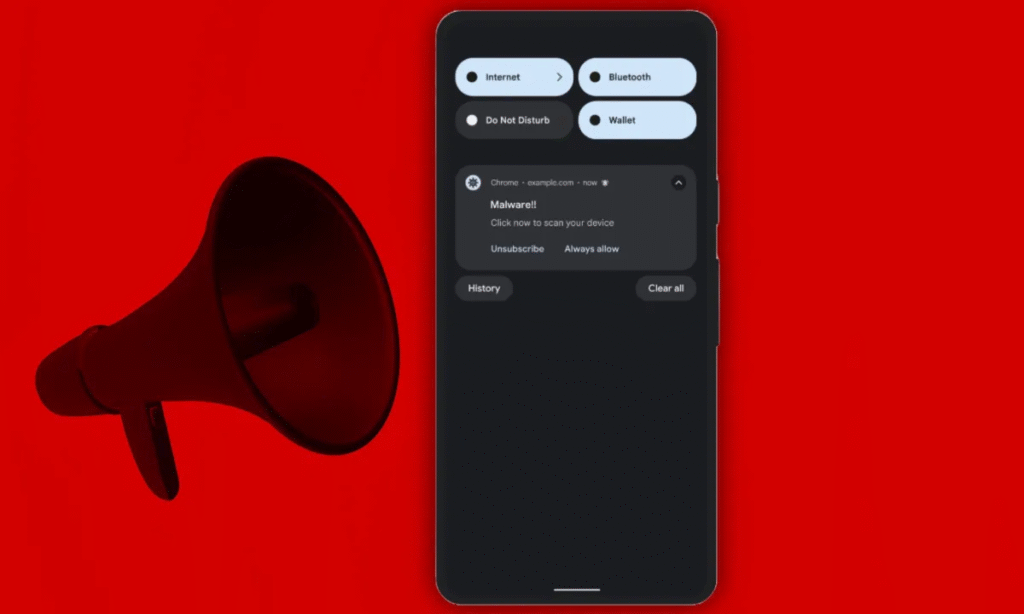
If a webpage is marked as risky and shows signs of a scam, Chrome will notify users. Eventually, Google plans to use this system to combat package tracking and toll fee scams as well.
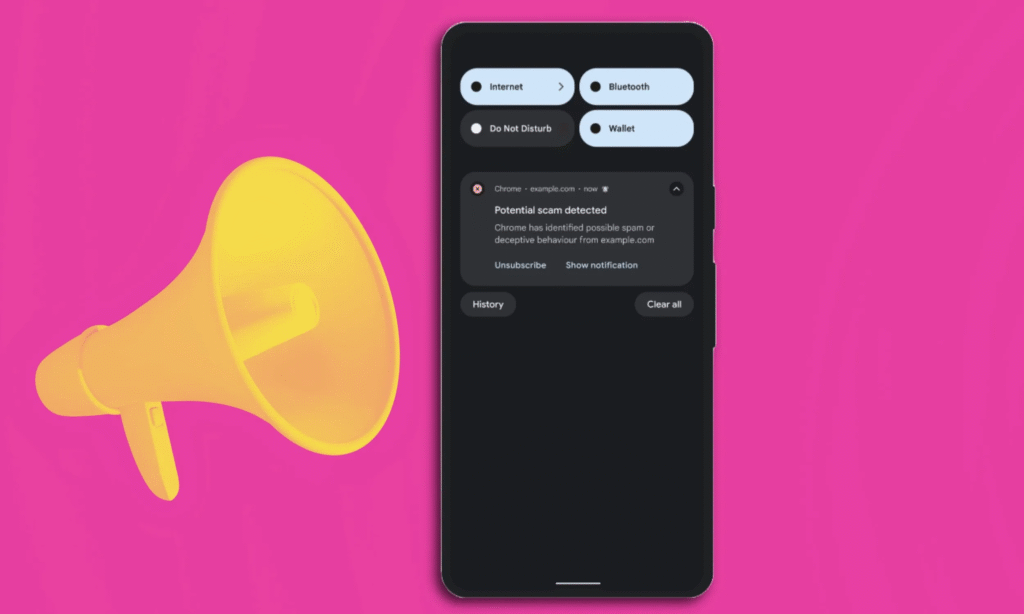
These alerts will display the website’s name along with a warning about its spammy behavior. Users can either unsubscribe with one tap or whitelist the site if Chrome’s security feature mistakenly flags it.
They can also dismiss the notification or choose to view the blocked content. The feature will debut on Android phones later this year, though Google hasn’t specified any hardware or software requirements yet.
“Initially, this feature is Android-only since most scam notifications target mobile devices,” says Google. However, the company is considering expanding its AI-powered security measures to other platforms in the future.
Why is this important?
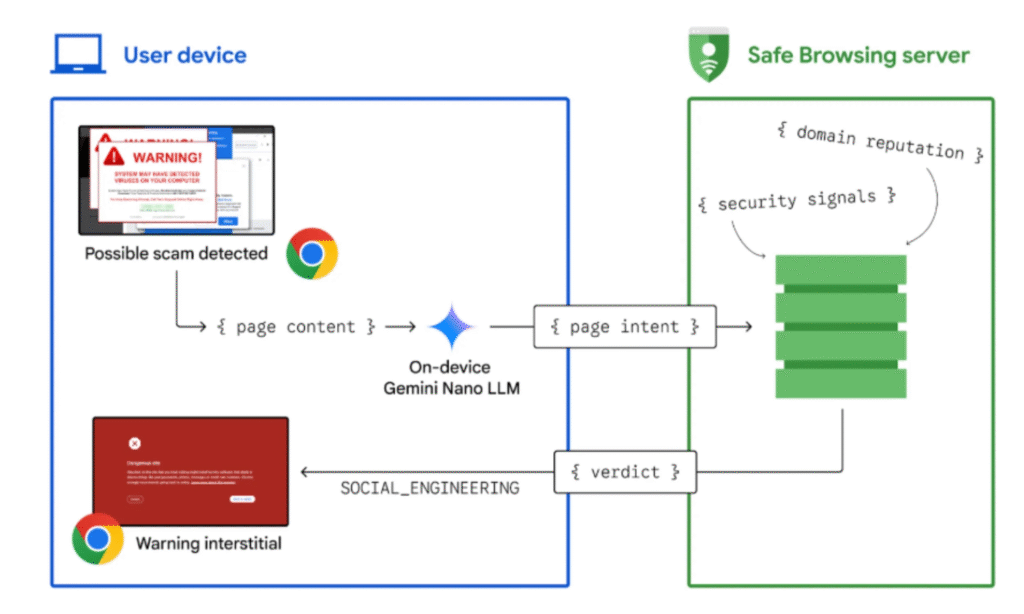
Tech support scams—where fake warnings claim a device is infected—are increasingly common. Google notes that these fraudulent sites often appear differently to different users, making it essential to evaluate threats exactly as they’re seen. That’s where AI steps in.
Until now, Google used a system that checked for blocklisted content in real time, with a small amount of browsing data shared for security. But with Gemini Nano, scans happen directly on the device, adding a key benefit.
*”Malicious sites typically last less than 10 minutes, so on-device protection helps us catch and block new attacks faster,”* Google explains. This approach lets them analyze threats exactly as they appear to users.

Related Posts

Key ChatGPT and Gemini features compared. Who did it better?

I tested the Asus ZenBook A14 and now can’t imagine using any other Windows laptop