Vibe Coding is Shoot and Forget Coding
Introduction
Programming is both an art and a science. Some developers plan carefully, while others dive straight in. Vibe coding belongs to the second group—a fast, intuitive style that feels empowering but can create headaches later.
What is Vibe Coding
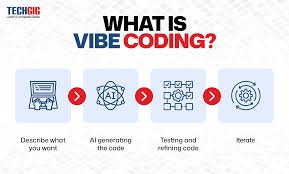
Vibe coding is “freestyle programming.” Instead of methodical steps, coders rely on gut instinct. The goal is quick results, not long-term stability. This is why it’s often compared to shoot-and-forget coding—you fire off code and never look back.
Why Developers Fall Into Vibe Coding
Developers vibe code when deadlines loom, curiosity drives them, or when they’re in a creative flow state. Sometimes it’s just easier to write “whatever works” than to pause and structure.
The Thrill of Shoot and Forget Coding
There’s a dopamine rush when something works after quick, messy coding. It feels like progress. But the thrill can be misleading—“working once” doesn’t mean the code is reliable.
Benefits of Vibe Coding
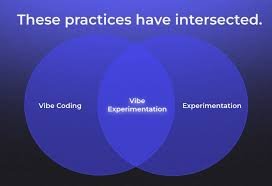
- Great for prototyping.
- Encourages experimentation and creativity.
- Helps beginners learn through trial and error.
- Can inspire unconventional solutions.
- Useful for hackathons or short-lived projects.
The Hidden Costs and Risks
- Creates technical debt.
- Introduces hard-to-find bugs.
- Makes code difficult to maintain.
- Slows down collaboration.
- Encourages sloppy habits if unchecked.
Examples of Vibe Coding in Action
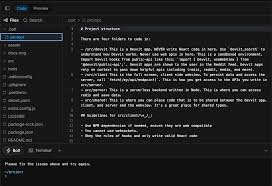
- Copy-pasting code without understanding it.
- Leaving TODOs or comments unaddressed.
- Pushing untested code just because “it runs.”
- Using “magic numbers” instead of constants.
- Committing code with vague messages like “fixed stuff.”
How to Recognize If You’re Vibe Coding
You might be vibe coding if:
- You don’t test until the code “looks done.”
- You forget what your own code means a week later.
- Your commits are vague and huge.
- You avoid documentation because it feels boring.
Strategies to Avoid Shoot and Forget Pitfalls
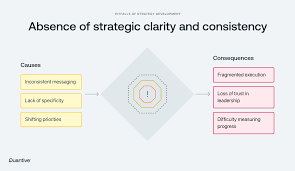
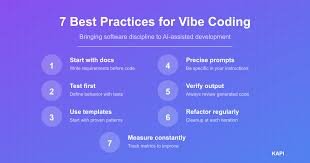
- Write code in small, testable chunks.
- Pause to review what you wrote.
- Add simple comments for clarity.
- Refactor messy sections early.
- Treat vibe code as a draft, not the final version.
Finding a Balance Creative Flow vs. Discipline
Vibe coding doesn’t have to be abandoned. It’s a great idea generator, but it should be followed by discipline. Think of it like sketching: messy drafts first, polished artwork later.
The Psychology Behind Vibe Coding
Vibe coding often happens in a flow state—when creativity overrides discipline. It feels productive, but the brain confuses “fast progress” with “good progress.” Awareness of this bias helps avoid mistakes.
Vibe Coding and the Culture of Speed
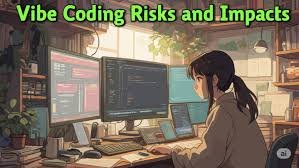
Tech culture glorifies speed with mottos like “move fast and break things.” Vibe coding thrives here, but while short-term speed is celebrated, long-term costs are often ignored.
The Team Impact of Shoot and Forget Code
Messy personal code is manageable. Messy team code is a disaster. When one person vibe codes, others waste time deciphering or rewriting it. The cost multiplies in group settings.
Vibe Coding in Startups vs. Large Companies
Startups sometimes need vibe coding to move fast and impress investors. Large companies, however, have too much at stake—sloppiness at scale leads to major failures. Context decides whether vibe coding is tolerated.
The Meme Culture Around Vibe Coding
Vibe coding has become internet humor: “ship it and pray,” “works on my machine,” and spaghetti-code jokes. These memes are funny, but they reflect real struggles developers face daily.
Can Vibe Coding Ever Be Good Practice
Surprisingly, yes—when used intentionally for brainstorming, learning, or prototypes. The danger is letting vibe code live forever in production. Controlled chaos can be useful, but unmanaged chaos is harmful.
Tools That Help Tame Vibe Coding
- Linters: catch silly mistakes.
- Version control: tracks history.
- Automated tests: verify reliability.
- Code reviews: add accountability.
- AI tools: assist with cleanup and refactoring.
Stories from Developers Lessons Learned the Hard Way
Many developers recall hacks that turned permanent, rushed fixes that broke production, or messy functions that no one dared touch. These stories show vibe coding feels good short term but hurts long term.
The Relationship Between Vibe Coding and Burnout
Vibe coding feels fun at first, but firefighting messy code later leads to burnout. Developers spend more energy fixing problems they caused, which drains motivation. Discipline preserves mental health.
Vibe Coding vs Structured Development: A Comparison
- Vibe coding: fast, creative, messy.
- Structured coding: slower, deliberate, reliable.
Both have their place, but structured development is essential for serious projects. Vibe coding shines in exploration, not execution.
How Vibe Coding Affects Code Reviews
Vibe code frustrates reviewers with poor naming, giant functions, and lack of tests. What felt fast for one person becomes a bottleneck for the whole team during reviews
The Role of Deadlines in Encouraging Vibe Coding
Tight deadlines push developers into vibe mode. When the pressure is “ship now,” quality is sacrificed. Management culture often fuels this rush.
Pair Programming Cure or Catalyst for Vibe Coding
Pair programming can reduce vibe coding by adding accountability—two minds check each other. But if both developers “just vibe,” the chaos doubles. Success depends on discipline.
Teaching New Developers When to Allow Vibe Coding
For beginners, vibe coding encourages exploration and builds confidence. But unchecked, it teaches bad habits. Educators should allow small doses while teaching discipline early.
The Future of Vibe Coding in AI Assisted Development
AI tools like Copilot and ChatGPT make vibe coding faster—developers can generate solutions instantly. But this also increases risk if code is accepted blindly without testing or context.
Vibe Coding and Creativity: Protecting the Spark
Despite its flaws, vibe coding preserves the fun side of programming. Overly rigid rules can kill innovation. The goal is balance—protecting creativity while keeping projects safe.
The Illusion of Productivity in Vibe Coding
Vibe coding makes developers feel productive because code appears quickly. But speed can be deceptive—just because something runs doesn’t mean it’s reliable or useful. This false sense of progress is one of vibe coding’s biggest traps.
How Vibe Coding Impacts Long-Term Maintenance
Code written in a vibe session often becomes technical debt. Later, developers—sometimes even the original author—struggle to read, maintain, or extend it. Maintenance costs rise dramatically when vibe code is left unchecked.
Vibe Coding in the Context of Agile Development
Agile emphasizes speed and iteration, which sometimes gets confused with vibe coding. But real Agile includes discipline: testing, feedback, and collaboration. Without those, Agile devolves into chaotic vibe sprints.
The Emotional Rollercoaster of Vibe Coding
Vibe coding is exciting when it works, frustrating when it doesn’t. This rollercoaster of highs and lows can affect a developer’s confidence and mental health. Recognizing this emotional cycle helps developers step back and reset.
Moving Beyond Vibe Coding Building Lasting Habits
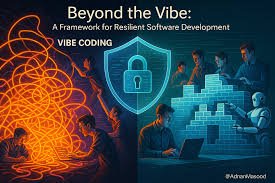
The next step after vibe coding is building strong, sustainable habits: testing, documenting, and refactoring. This doesn’t kill creativity—it channels it into reliable, maintainable projects. Moving beyond vibes is a journey from chaos to craftsmanship.
Table of Contents
Moving Beyond Vibe Coding: Building Lasting Habits
Introduction
What is Vibe Coding?
Why Developers Fall Into Vibe Coding
The Thrill of Shoot-and-Forget Coding
Benefits of Vibe Coding
The Hidden Costs and Risks
Examples of Vibe Coding in Action
How to Recognize If You’re Vibe Coding
Strategies to Avoid Shoot-and-Forget Pitfalls
Finding a Balance: Creative Flow vs. Discipline
The Psychology Behind Vibe Coding
Vibe Coding and the Culture of Speed
The Team Impact of Shoot-and-Forget Code
Vibe Coding in Startups vs. Large Companies
The Meme Culture Around Vibe Coding
Can Vibe Coding Ever Be Good Practice?
Tools That Help Tame Vibe Coding
Stories from Developers: Lessons Learned the Hard Way
The Relationship Between Vibe Coding and Burnout
Vibe Coding vs. Structured Development: A Comparison
How Vibe Coding Affects Code Reviews
The Role of Deadlines in Encouraging Vibe Coding
Pair Programming: Cure or Catalyst for Vibe Coding?
Teaching New Developers: When to Allow Vibe Coding
The Future of Vibe Coding in AI-Assisted Development
Vibe Coding and Creativity: Protecting the Spark
Conclusion
The Illusion of Productivity in Vibe Coding
How Vibe Coding Impacts Long-Term Maintenance
Vibe Coding in the Context of Agile Development
The Emotional Rollercoaster of Vibe Coding
Conclusion
Vibe coding is fast, fun, and freeing but messy, fragile, and risky. It’s best for learning, brainstorming, and rapid prototypes. In serious projects, however, it must be paired with structure, testing, and refactoring. The best developers balance the freedom of vibes with the discipline of craft.
Table of Contents

Related Posts
Our favorite video games of 2025 so far: Clair Obscur, Blue Prince, and more
Modders have brought Halo and Half-Life together in an all new way