What I learned about reviewing games between Death Stranding 1 and 2
Death Stranding was the first full game I ever reviewed for Digital Trends.
It was 2019, and I’d just started freelancing for the site, mainly writing Destiny 2 guides and DLC reviews. Only a few months in, my editor asked if I’d be interested in reviewing Hideo Kojima’s latest game when it launched in November. I said yes right away over a text chat, but honestly, I was pretty nervous in real life.
Even though I’d been writing about games in some form for over ten years — including reviews for blogs back in high school — this felt like a huge deal. I knew Death Stranding was going to be a major title in gaming history, and my review would represent Digital Trends. It was just a regular assignment, but the pressure felt enormous. Like everyone was watching me.
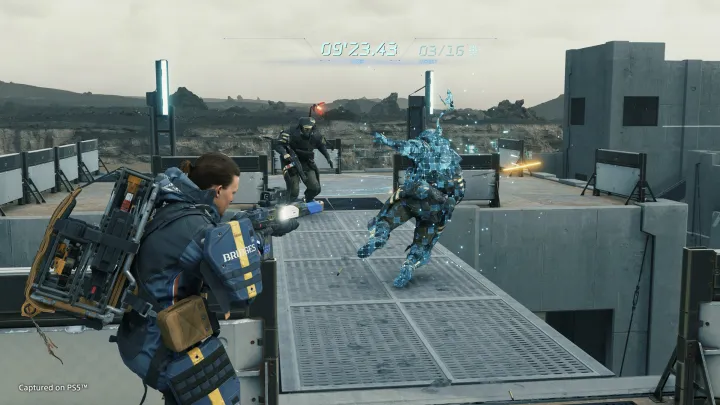
I found myself thinking back to that moment recently when the review code for Death Stranding 2: On the Beach landed in my inbox. Unlike before, there was zero panic this time. Since 2019, I’ve reviewed tons of games for Digital Trends. Now, when I get an assignment like this, I just download, dive in, and get to work — no stress. What was once nerve-wracking is now second nature. But this time, before I even started the game on my PS5, I paused. I asked myself: How have I changed as a critic since the original Death Stranding came out?
To really figure that out, I knew I’d have to reread my 2019 review — something I honestly didn’t have the guts to do.
To be honest, I’ve never really liked my original Death Stranding review. Back then, I was proud of it — it was my big moment writing for a major site — but it came from a place of self-doubt. I worried too much about whether my opinion was right or wrong, and if a lukewarm take would make me look like I didn’t belong writing for a big publication. I stressed about how divisive my review might be, and ended up playing it safe, almost like I was trying to erase my own voice. It was like the game was Schrödinger’s cat — neither good nor bad until you actually played it.
What I didn’t do much then was really engage with what Kojima was trying to say. I mentioned how the game was about connecting a divided America, and how the social features showed how much easier life is when people work together. But a lot of the review felt like a dry book report: The acting’s good. The visuals look great. The controls are interesting. There wasn’t much depth. It felt like I was reviewing a laptop, not a work of art. If I wasn’t really absorbing what the game was trying to say, why even bother writing about it — or playing it in the first place?
To get better at reviewing, I had to change how I thought about games. I wondered why I hesitated to treat them like any other art form. I could talk for hours about the camera work in Citizen Kane and how it reveals different sides of Charles Foster Kane’s life, but I wasn’t thinking about game design in the same way. Why not? Those decisions aren’t random. Even something simple, like the crafting system in The Last of Us, tells us a lot — it shows that resources are scarce in a post-apocalyptic world. That blend of gameplay and message is what makes games special.
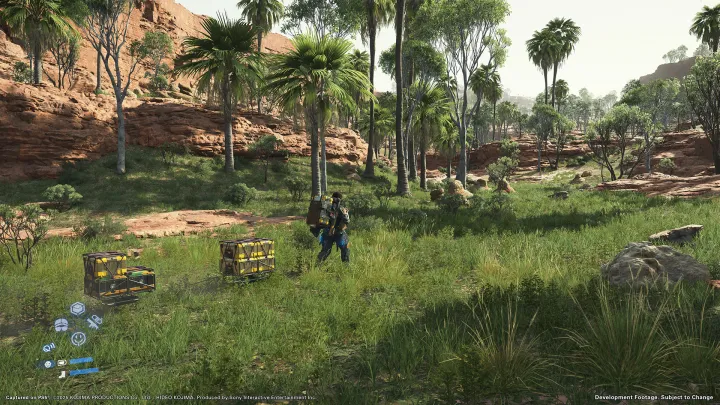
For the last six years, I’ve followed that idea wherever it’s led me. I stopped seeing games as products to check off a list and started thinking about how well they communicated something to me. Fun became secondary to meaning. That’s how I ended up loving Pikmin 4, which turns chaotic strategy gameplay into something neat and organized — practicing what it preaches about the joys of order. It’s why I criticized The Last of Us Part 2 Remastered’s roguelike mode, because it felt like it clashed with the base game’s message about cycles of violence. And it’s why Despelote became one of my favorite games of 2025 — a small game that stands tall over huge flashy titles. I don’t just want games to distract me; I want them to speak to me.
My criticism has definitely gotten better, but more importantly, my relationship with games has deepened. They aren’t just toys I forget about when I’m done playing. I’m more engaged, always analyzing and interpreting rather than chasing quick thrills. That’s opened me up to games I would have dismissed before. I might have quit something like The Banished Vault in the past because its harsh survival systems didn’t feel “fun,” but now I appreciate how its punishing nature builds a tone that fits its brutal world (shoutout to Dia Lacina’s awesome review). I’ve learned to embrace friction as a storytelling tool — something I wish I’d been more open to back in 2019 when I first reviewed Death Stranding. After all, the slapstick comedy of struggling across rough terrain makes those moments when the community comes together to build roads even more meaningful.
While many game reviewers eventually burn out, I actually love games more with every year that passes.
In recent years, my goal has been to inspire that same feeling in anyone who reads my Digital Trends reviews. Gaming is evolving as an art form, and how we talk about it needs to evolve too. Praising a game just for its realistic graphics or hundreds of hours of content feels empty now. Instead, I want to ask: What emotions does a game spark? What does it say about our world? How does it challenge us beyond just testing our reflexes? Those are the conversations I want to have whenever a big game like Death Stranding 2 comes out.
I’m not trying to tell anyone how to write game reviews or how to talk about games. If there’s one thing I hope you take away, it’s this: Art calls for different perspectives. It asks us to be open-minded, to challenge ourselves, and to trust our instincts. It’s not a pop quiz you have to ace. There’s no “right” take. I wish I’d understood that better back in 2019 — or at least trusted myself more to stand by my views. Maybe Death Stranding 2 isn’t that much better than the first. Or maybe I’m the one who’s really changed.

Related Posts
Vibe Coding is Shoot and Forget Coding
Our favorite video games of 2025 so far: Clair Obscur, Blue Prince, and more