The Academy Awards have new film rules. AI is now okay for the Oscars
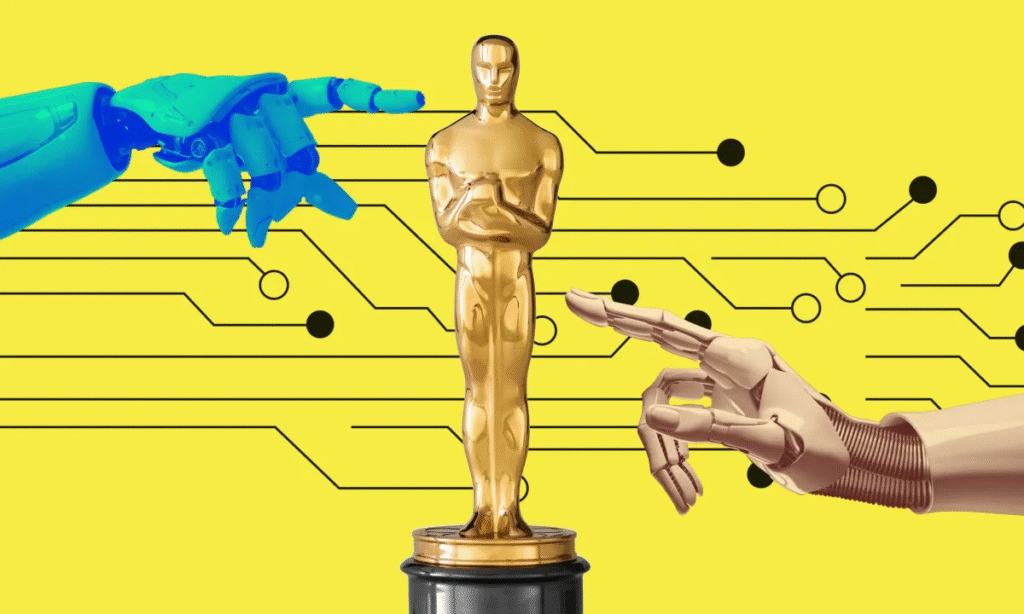
In 2024, Hollywood was shaken by protests led by the SAG-AFTRA union, as actors fought for fair rights over their physical and vocal identities in the age of AI. A deal was struck late last year to guarantee fair compensation for artists, but the unspoken truth was clear:
AI in films isn’t going anywhere.
If anyone still had doubts about AI’s future in Hollywood, the Academy of Motion Picture Arts and Sciences just put them to rest. The organization behind the prestigious Oscars has made it clear that using generative AI in movies is acceptable.
“When it comes to Generative Artificial Intelligence and other digital tools used in filmmaking, these technologies neither help nor hurt a film’s chances of being nominated,” the Academy stated. In short, only the final product matters.
AI is already a normal part of filmmaking
Let’s zero in on the term “generative AI,” not just the broad idea of AI. Hollywood has been using AI tools for years. Filmmakers rely on software like Axle AI for tasks such as facial recognition, scene detection, and transcription.
Conan O’Brien hosts the live ABC telecast of the 97th Oscars awards.
(Richard Harbaugh / The Academy)
Magisto uses Emotion Sense technology for video editing. Then there’s Strada AI, which helps with file organization and remote editing. DJI’s AI-powered autofocus system has been used for sharper focus in films like Alex Garland’s Civil War.
Twelve Labs provides advanced scene identification, while Luma AI aids in 3D scene rendering. These are just a few examples of AI-driven tools handling technical tasks. Crucially, though, they aren’t responsible for the core creative elements—like visuals or dialogue—that define a film.
Generate with AI, compete for Oscars?
Generative AI is a specific type of AI that produces content. Imagine a chatbot like Gemini or ChatGPT drafting an entire script. Or tools like Google’s Imagen and Midjourney turning text prompts into images. Or next-gen platforms like OpenAI’s Sora and Google’s Veo crafting hyper-realistic or cinematic video clips.
This is where the trouble starts. AI-generated videos mean fewer jobs for human artists. The same goes for AI voice generation and dubbing, which can now mimic human speech almost flawlessly.
There’s already plenty of precedent. Marvel faced backlash for using AI visuals in Secret Invasion’s opening credits. The AI engine Runaway was used in the hit film Everything Everywhere All at Once.
But how much AI input is too much before a film risks disqualification from the Oscars? There’s no strict rule, and the Academy’s wording is deliberately vague.
How far is too far for the Oscars?
“The Academy and each branch will evaluate a film’s artistic merit, considering the extent to which human creativity drove the work,” the organization explained.
In other words, it’s up to the voters to decide. That also means personal opinions on AI’s role in filmmaking will inevitably influence their choices.
Interestingly, James Cameron—a multiple Oscar winner—now sits on the board of StabilityAI, a major player in generative AI. The company is also tangled in high-profile lawsuits with Getty and human artists over copyright issues.
But the AI wave in entertainment isn’t slowing down. After last year’s union protests, generative AI tools have become even more common in gaming, with companies like Microsoft developing ways to integrate AI assets into games.
Would you play a game made by AI? That’s debatable. Should the Academy protect filmmaking from a tool often criticized for exploiting human content? It seems that ship has already sailed.

Related Posts
Key ChatGPT and Gemini features compared. Who did it better?
I tested the Asus ZenBook A14 and now can’t imagine using any other Windows laptop